
Real Estate
Tampa woman accused of DUI after driving 105 mph, crashing Mercedes SUV: FHP
By Katherine Langford
Advertisement · Why this ad?
Marcus manages the day-to-day editorial workflow across all brands, coordinating coverage assignments and ensuring editorial standards are met. He previously served as city editor at the Pioneer Press and holds a degree in Political Science from Carleton College.
More from Marcus →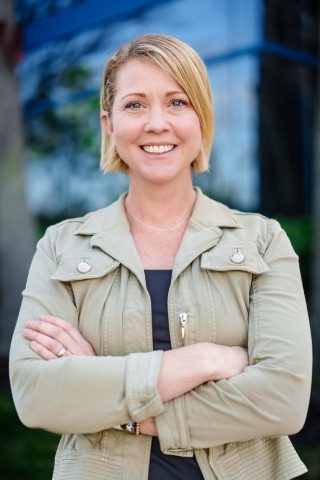
At a recent town hall in Largo, City Manager Henry Schubert stood before a crowd, his voice steady yet tinged with concern. "If Amendment 3 passes, we’re looking at a $15.7 million hole in our budget," he warned. The room fell silent as residents absorbed the implications of this potential loss. With property taxes accounting for about 60% of Largo's general fund, critical services like police, fire rescue, libraries, and parks and recreation hang in the balance. The stakes are high, and the conversation is just beginning.
Amendment 3, a proposed change to Florida's property tax structure, has sparked heated discussions across the state. If enacted, it would significantly reduce funding for local governments, compelling them to make tough choices. In Largo, the math is stark: closing the library and every parks and recreation center would save just over $10 million, leaving millions more to cut elsewhere. This scenario is not isolated; it reflects a broader trend that park and recreation leaders are grappling with statewide.
State economists project that Amendment 3 could result in a staggering reduction of non-school property tax revenues across Florida, further pressuring local budgets. As cities and towns face these financial constraints, communities must rethink their funding strategies for parks and recreation. Those who begin planning now will have more options than those who wait until the budget crisis strikes.
Amendment 3 aims to increase the homestead exemption for Florida property owners, effectively reducing the taxable value of homes. Proponents argue it will ease the financial burden on homeowners, especially those on fixed incomes. However, the potential consequences for local governments are profound. According to the Florida League of Cities, many municipalities rely heavily on property taxes to fund essential services.
In Coral Gables, for instance, the city’s budget is similarly dependent on property tax revenue. As local leaders weigh the implications of Amendment 3, they must consider how to maintain essential services while addressing the needs of residents. The challenge lies in balancing fiscal responsibility with community wellbeing, particularly when it comes to parks and recreational facilities that enrich lives and foster community engagement.
The potential cuts to parks and recreation services could have a ripple effect throughout Coral Gables and beyond. Families rely on local parks for leisure, exercise, and community events. The closure of facilities would not only limit access to recreational opportunities but could also diminish community cohesion.
Residents like Maria Gonzalez, a mother of three, expressed concern over the future of local parks. "Our kids need places to play and grow. If the parks close, where will they go?" she asked during a community forum. Such sentiments echo across neighborhoods, highlighting the integral role that parks play in family life and community identity.
Moreover, the economic impact of reduced recreational services could be significant. Parks and recreational programs often draw visitors, which in turn supports local businesses. A decline in these services could lead to decreased foot traffic and revenue for shops and restaurants that thrive on community engagement.
As the prospect of Amendment 3 looms, local leaders in Coral Gables and Largo are urged to engage the community in budget planning discussions. Transparency is key in these conversations, allowing residents to understand the trade-offs involved in funding decisions. City officials are encouraged to host workshops and town hall meetings to gather input and foster a sense of ownership among residents.
Budgeting for parks and recreation should not be an afterthought. Leaders must consider innovative funding strategies, such as partnerships with local businesses, grant applications, and community fundraising initiatives. By leveraging community resources, cities can bolster their parks and recreation budgets without solely relying on property taxes.
Community leaders have voiced their concerns about the implications of Amendment 3. Largo’s Parks and Recreation Director, James Miller, emphasized the importance of early planning. "We need to start thinking outside the box now. Our parks are not just spaces; they are vital to our community’s health and happiness," he stated during a recent meeting. His call for proactive measures resonates with many residents who understand that parks serve as the backbone of community life.
In Coral Gables, Mayor Raúl Valdés-Fauli has similarly urged residents to stay informed and engaged. "We cannot afford to take our parks for granted. They are essential for our quality of life, and we must fight to protect them," he said. His leadership has been pivotal in rallying community support for preservation efforts, emphasizing that parks are more than just green spaces; they are where memories are made.
Looking ahead, the future of Florida's parks and recreation systems hangs in the balance. Should Amendment 3 pass, municipalities will need to act swiftly to mitigate the impacts. Cities may need to prioritize essential services while creatively seeking alternative funding sources. This could involve exploring public-private partnerships or increasing fees for certain recreational programs.
In Coral Gables, city officials are already strategizing on how to adapt to potential revenue losses. Discussions are underway about enhancing volunteer programs and community involvement in park maintenance to offset budget cuts. These initiatives not only preserve green spaces but also foster a sense of community responsibility and pride.
Furthermore, as communities prepare for the potential fallout of Amendment 3, it is crucial for residents to stay informed and engaged. Understanding the implications of such legislative changes can empower citizens to advocate for their needs and ensure that local parks remain vibrant and accessible.
The conversation surrounding Amendment 3 is not just about taxes; it’s about the future of Florida’s communities. Parks and recreation services are vital for the physical and mental well-being of residents. As local leaders navigate the complexities of budgeting, they must prioritize community voices and seek innovative solutions to sustain these essential services.
As the clock ticks down to the vote, Coral Gables and other municipalities across Florida must prepare for the potential changes ahead. Engaging the community, exploring diverse funding options, and maintaining transparency will be crucial in ensuring that parks continue to thrive, regardless of legislative outcomes. The health and happiness of families depend on it.
By Katherine Langford

By Marcus Chen

By Marcus Chen

By Katherine Langford